Reading the signs
Thinning eyebrows and lashes: what it means when the hair goes elsewhere too
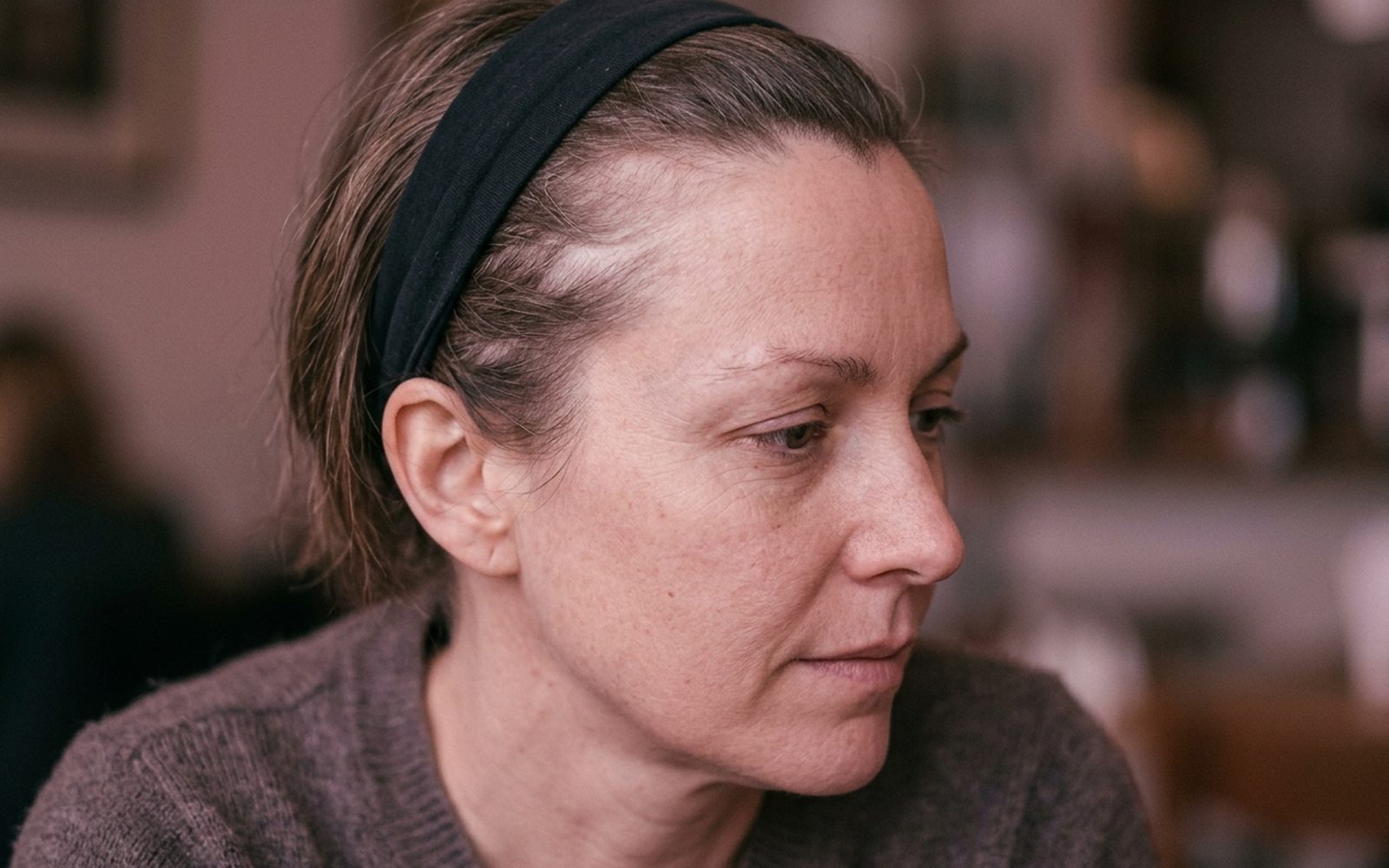
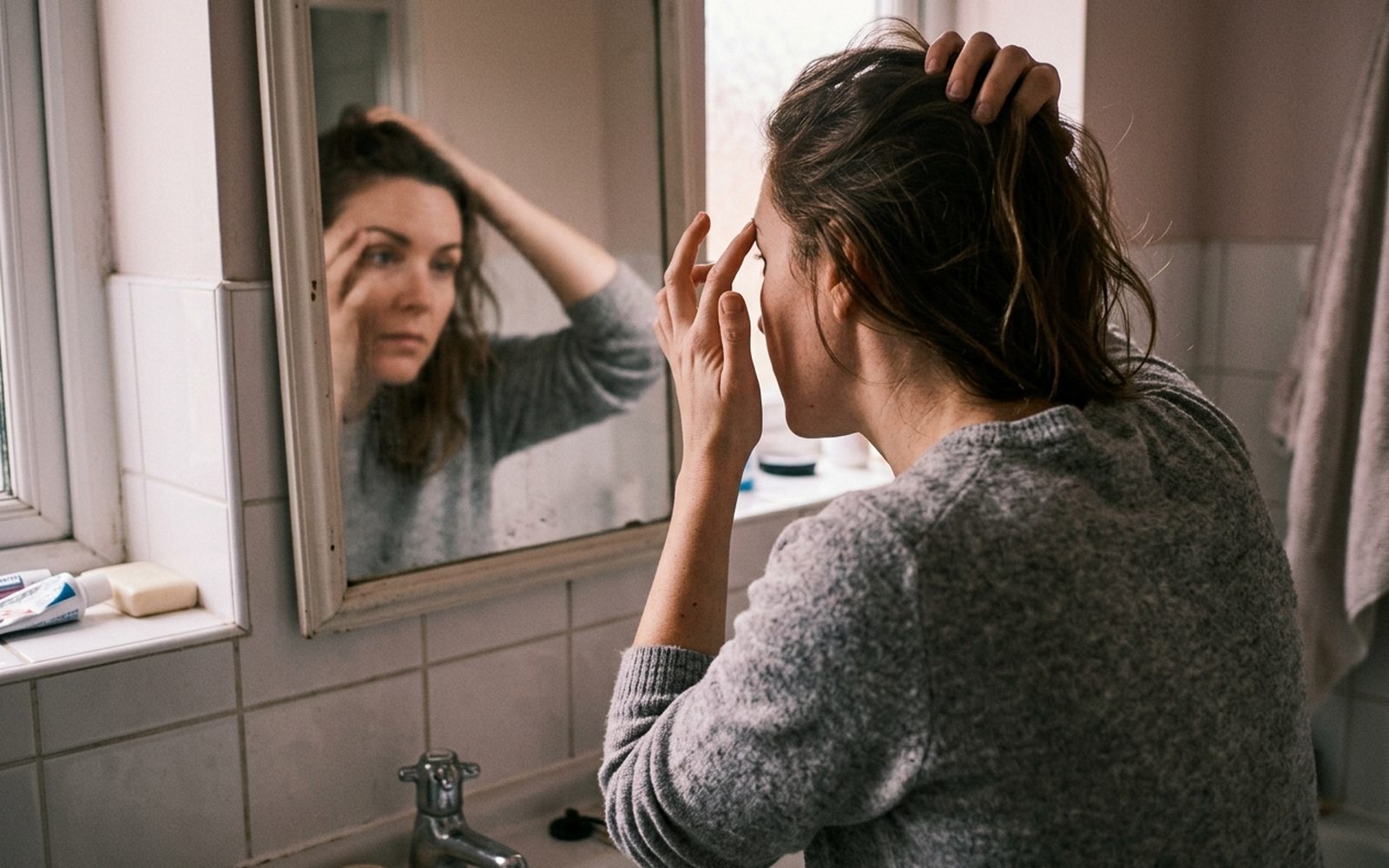
Women notice their eyebrows going before they notice their hair, because they draw them on every morning. If the outer third of the brows has faded, or the lashes are shorter and sparser than they were, it is a useful clue — because ordinary pattern thinning does not do this, and the things that do are a short list.
Why brows and lashes are different
Eyebrow and eyelash follicles have a very short growing phase — a month or two, which is why they never get long — and a long rest. They carry few androgen receptors, so DHT-driven pattern loss leaves them alone. They are affected by things that act on every follicle in the body at once: thyroid, nutrition, the immune system, and a handful of medications and habits.
The list, in order of likelihood
1. Thyroid. Loss of the outer third of the eyebrows is a classic sign of an underactive thyroid, so classic it has a name (Hertoghe’s sign). Postpartum thyroiditis is common and missed. Brows plus tiredness, cold, low mood, dry hair: ask for TSH, free T4 and antibodies. More here.
2. Over-plucking and over-styling. Twenty years of tweezing the same hairs damages the follicles, and brows plucked thin in the 2000s often do not fully return. Lash extensions, lash curlers, waterproof mascara removed roughly, and lash serums with prostaglandin analogues (which can cause loss on stopping) all thin lashes mechanically. This is the commonest cause in women under 45 and the most fixable: stop for three months and see.
Not sure which one is you?
Take the two-minute hair quiz
Twelve quick questions. We tell you what we think is going on, what to do about it, and we say so if it is something we cannot help with.
Start the quiz →3. Nutrition. Low iron, zinc or protein affects brows and lashes because they cycle fast and are among the first to be rationed. The same tests as for scalp hair. Which ones.
4. Autoimmune. Alopecia areata can take a patch of eyebrow or a section of lashes, usually one side, with smooth skin beneath; it often comes back and it responds to treatment. Frontal fibrosing alopecia takes both brows, usually completely, alongside an evenly receding hairline, and needs a dermatologist early because it scars. The signs.
5. Skin conditions and medications. Eczema or seborrhoeic dermatitis in the brows causes flaking and thinning; treat the skin and the hair returns. Chemotherapy, some acne treatments (isotretinoin), and occasionally antidepressants and anticonvulsants thin brows and lashes; they regrow after.
What to do
Stop plucking, threading and waxing for three months. Stop lash extensions and curlers. Remove mascara with an oil cleanser and no rubbing. Ask for thyroid, ferritin and vitamin D. If a patch is smooth and sudden, or both brows are going with the hairline, see a GP with the words on this page.
What it says about the scalp
If the brows and lashes are fine and only the temples, parting and crown are thinning, that is reassuring: it is the ordinary hormonal pattern, and the rest of this site is about it. If the brows are going too, work through the list above first, because whatever is taking the brows is probably contributing to the scalp, and it is usually fixable.
Ready to read your own pattern?
Take the two-minute hair quiz
Twelve questions. We tell you what we think is going on for you, and we say so if it is something a GP should see first.
Start the quiz →