For UK mums · written by a consultant trichologist
Plain-English articles on the temples, the parting, the ponytail and the plughole, and on the hormones behind all four. No fear, no fluff, and an honest word about what doesn’t work.
Twelve quick questions. We tell you what we think is going on — and we say so if it’s something we can’t help with.


Start here
Where the thinning shows up first — temples, parting, ponytail, shedding, texture — points to a different thing happening at the follicle. The quiz reads the pattern, rules out the things a GP should see, and matches you to the explanation that fits.
Where do you notice it most?
About two minutes. No account needed.

Postnatal
Everyone told you it grows back. For most of it, they were right. Here is what happened to the part that didn’t — and why waiting longer will not fix it.

Where the thinning shows up first is not random. Each pattern points to a slightly different thing happening at the follicle — and to what will and won’t help.

“Your bloods are normal” is not the same as “your bloods are good for hair”. What the standard panel measures, what it misses, and how to ask for what you need.

The same hairstyle every morning for years, pulled tight with one hand while you find a shoe with the other. What traction actually does to the hairline — and what it doesn’t.

You were told it was a fifty-something problem. For a lot of women the hormonal decline begins a decade earlier, and the follicle notices long before the hot flushes do.

You did not fail to try. You tried the wrong category of thing. An honest breakdown of what each one can and cannot reach.

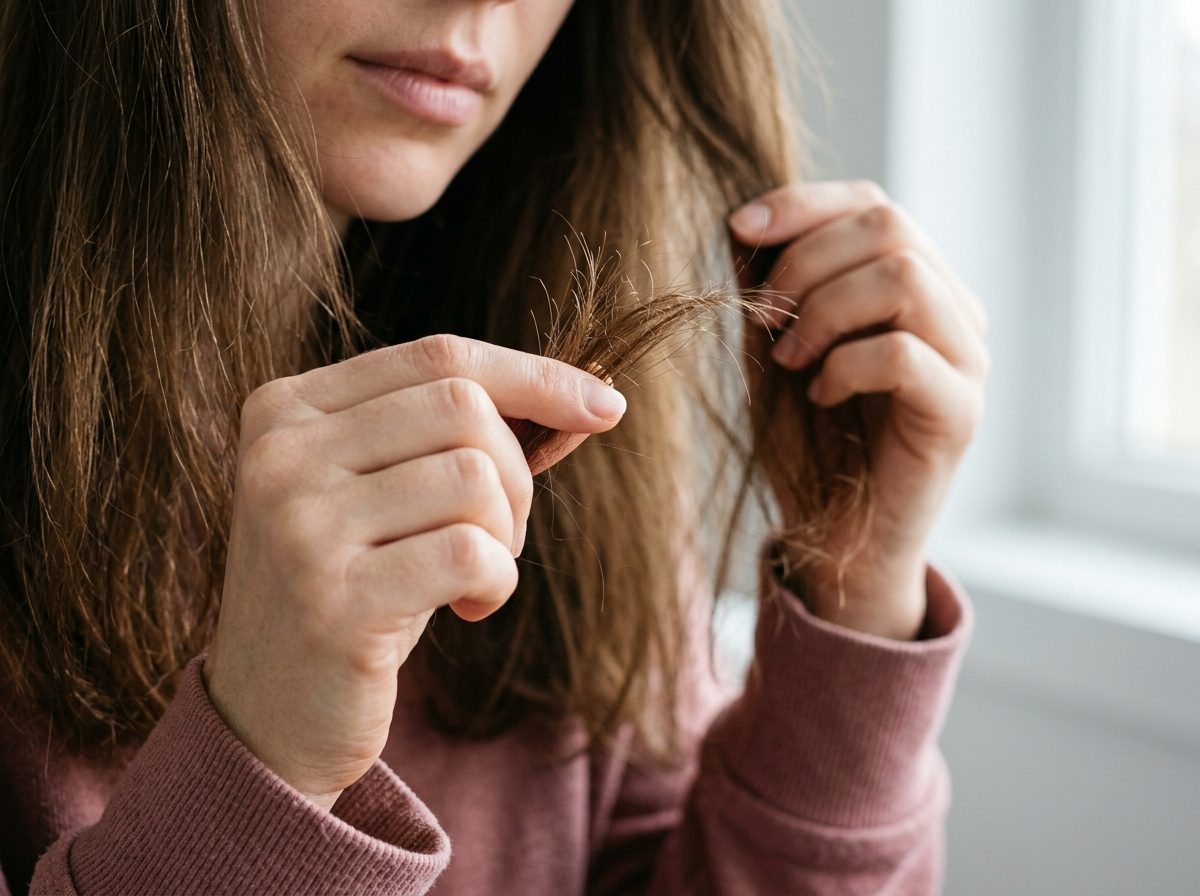
If nothing softens it any more, the fibre itself has changed. Where texture change comes from, and why it belongs with thinning rather than with haircare.

Hair biology is slow and nobody selling you something will say so. A realistic timeline for what changes first, what changes last, and how to photograph it so you can see it.

You got through the postnatal shed. Then you stopped feeding, and it started again. Why the hormones move twice, and how to tell a normal second shed from something that needs attention.

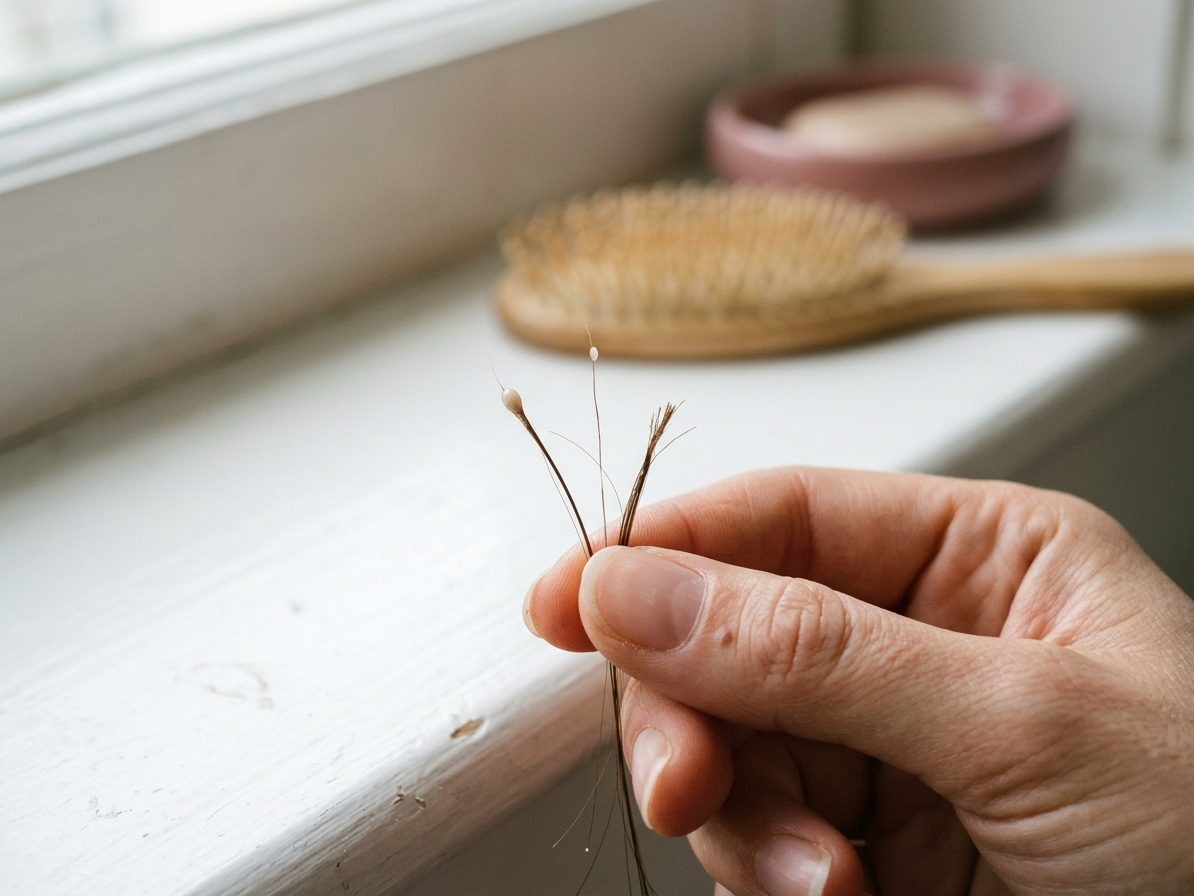
They look the same in the plughole and have almost nothing in common. One is a styling problem; the other is a follicle problem. Here is how to tell which you have before you spend anything.

“Reduce your stress” is the least useful advice a mum can be given. Here is what stress actually does to a follicle, why it hits hair months later, and what genuinely helps when the stress is not going anywhere.

Four checks that take five minutes once a month. They tell you whether it is getting worse, whether something is working, and what to show a GP.

That halo of short hairs standing up at the front can be the best news you have had all year or a sign of damage. They look identical from a distance. Up close they are not.