Postnatal
C-sections, blood loss and hair: the birth itself can be the reason
Women are told the postnatal shed is hormonal, and it is. What they are rarely told is that the birth itself — the surgery, the blood loss, the anaesthetic, the days in hospital — is a second, separate trigger, and that it leaves a fingerprint that can still be there when the child is at nursery.
Two sheds in one
The hormonal shed is the release of hair that oestrogen held in place during pregnancy; it starts around three months. A major physical event — surgery, significant blood loss, a general anaesthetic, a serious infection — triggers a separate shed of its own, telogen effluvium, two to four months after the event. After a caesarean or a haemorrhage the two arrive together and the combined shed is bigger, longer and more frightening than the one described in the leaflets.
Blood loss and iron
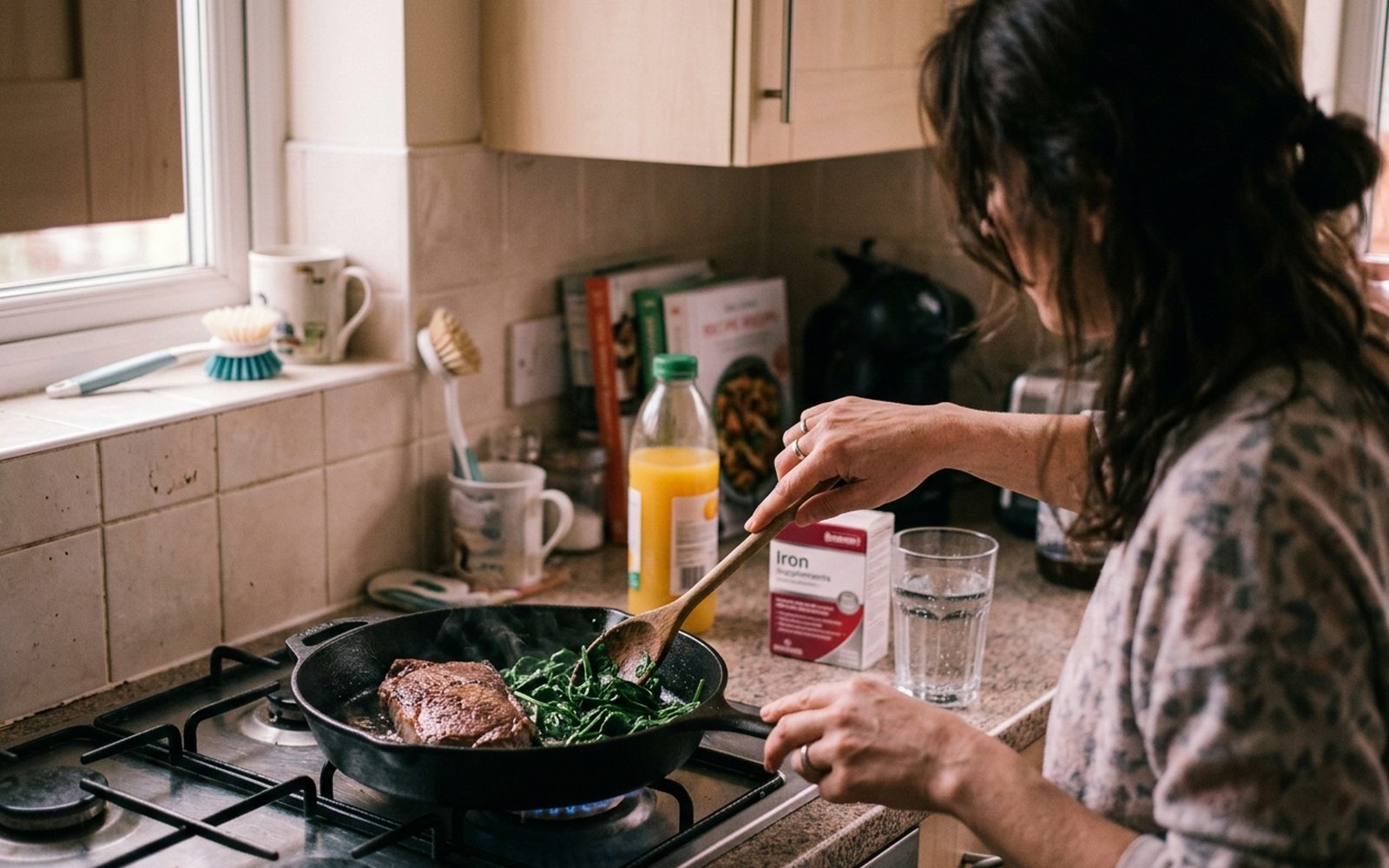
A caesarean typically loses around twice the blood of a vaginal birth, and a postpartum haemorrhage can lose far more. The body rebuilds haemoglobin within weeks; ferritin, the iron store the follicle draws on, can take a year or more to recover, and in a woman who then breastfeeds, has her periods return, and eats the way most new mums eat, it often does not recover at all. Low ferritin after a bloody birth is the single most common reason I see for a postnatal shed that never stopped. It is also the most fixable. If you lost a lot of blood at delivery and you are still shedding, ask for ferritin before anything else, and raise it properly.
The other things a difficult birth does
Anaesthetic and surgery are a physiological stress that pushes follicles into rest; the effect is temporary but adds to the total. Infection or a long hospital stay does the same. Trauma, in the psychological sense, keeps cortisol high for months after a birth that was frightening, and cortisol keeps follicles resting. And a baby in special care means broken sleep, poor eating and stress at a level that few other experiences match.
Not sure which one is you?
Take the two-minute hair quiz
Twelve quick questions. We tell you what we think is going on, what to do about it, and we say so if it is something we cannot help with.
Start the quiz →What to expect
A combined shed after a difficult birth commonly runs from three months to eight or nine, and regrowth is visible by ten to twelve. If ferritin was left low, the shed does not stop; it becomes a slow diffuse thinning that gets blamed on the second baby or on age. If ferritin is corrected and the scalp is looked after, most women recover their density by eighteen months. The temples and parting are the exception: follicles there that struggled through the double hit are the ones most likely to stay quiet, and if they are still thin at two years they need a signal, not more time.
What to do
Ferritin, thyroid and vitamin D checked, ideally at the six-week check and again at six months, because a bloody birth and a subsequent thyroiditis are not rare together. Protein at every meal. Gentleness with what you have: no tight styles, no lifting colour, no daily heat, while the shed runs. Photographs from the start, because the recovery will be slow and you will want proof it is happening. And if the corners and the parting are not recovering by the time the shed has finished, this article is where to go next.
Ready to read your own pattern?
Take the two-minute hair quiz
Twelve questions. We tell you what we think is going on for you, and we say so if it is something a GP should see first.
Start the quiz →