Habits
Sweat, the gym and thinning hair: how to exercise without paying for it in hair

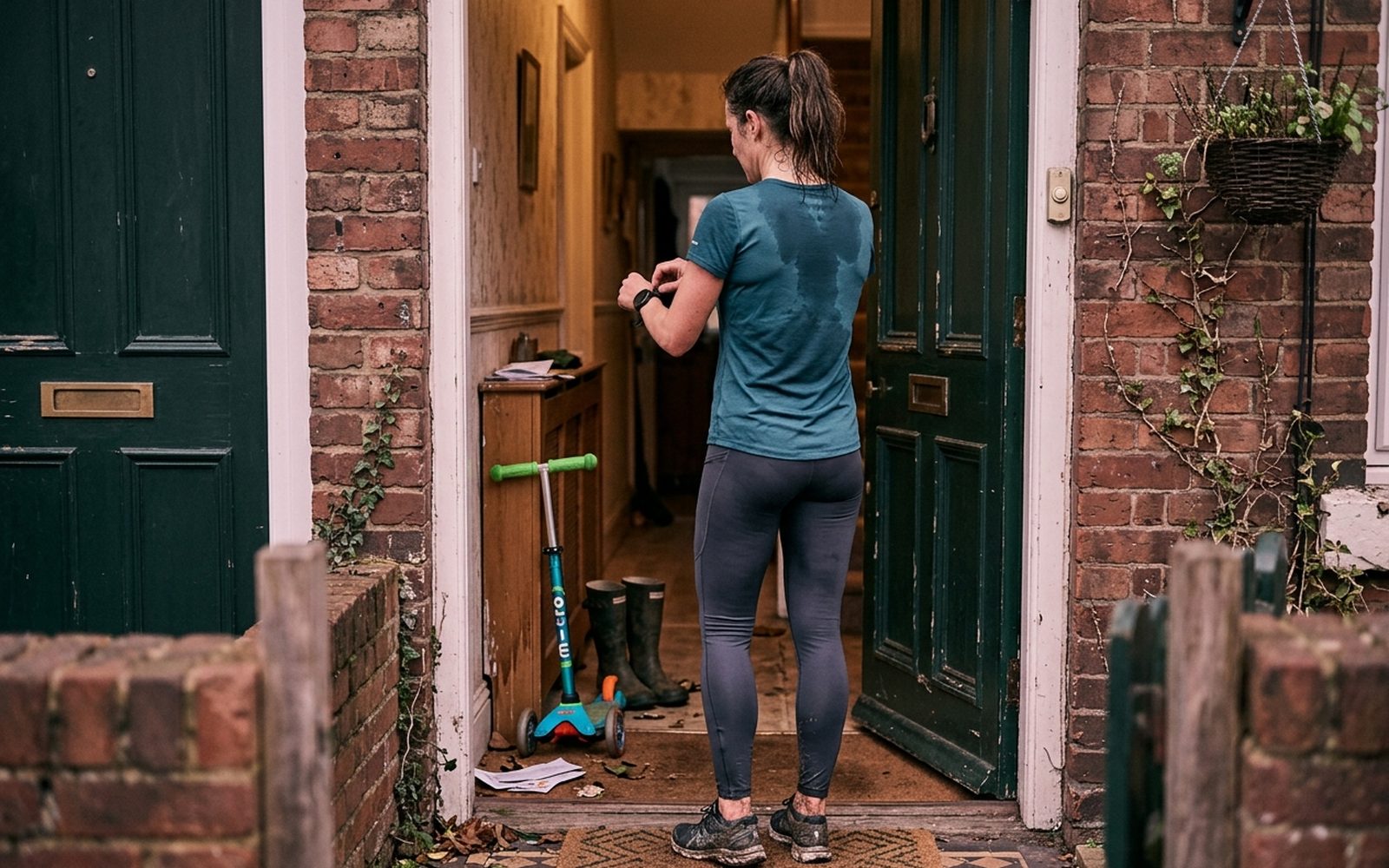
Every so often a woman asks, slightly guiltily, whether running is making her hair fall out. It is not. Exercise is one of the few things that improves nearly every mechanism behind thinning. But the logistics around exercise, done the way tired mums do them, can undo some of the good.
Why exercise helps the follicle
It lowers resting cortisol over time, and cortisol is one of the two big drivers of follicle rest. It improves insulin sensitivity, which lowers androgens in women who are insulin resistant. It improves blood flow to the skin, including the scalp. It improves sleep depth. Regular moderate exercise is, in my clinic, one of the more reliable differences between women whose hair stabilises and women whose hair does not.
Where it goes wrong
The same tight ponytail, three times a week, wet with sweat. Sweat-soaked hair stretches; a tight bobble on stretched hair snaps it; the hairline under a tight high ponytail is where the tension is greatest. Swap for a low, loose ponytail or a plait with a fabric tie, and change the position each session.
Not washing afterwards. Sweat is salty and the scalp’s oil glands work harder in the heat. Left on the scalp, with a helping of dry shampoo, they irritate the skin around the follicle and feed the yeast that causes flakes. A scalp that is sweated on and not rinsed three times a week is an inflamed scalp. You do not need a full wash: a rinse under the shower and a quick scalp-only shampoo, no conditioner, takes three minutes.
Not sure which one is you?
Take the two-minute hair quiz
Twelve quick questions. We tell you what we think is going on, what to do about it, and we say so if it is something we cannot help with.
Start the quiz →Extreme deficit. Training hard on too little food — the combination of a new running habit and a weight-loss plan is common — is exactly the energy deficit that triggers a shed. More here. Fuel the exercise, particularly with protein.
Chlorine. If the exercise is swimming, the pool article applies. Wet the hair first, rinse straight after, cap if you can.
Helmets and headbands. A cycling helmet or a tight sweatband worn on the same spot daily is a traction and friction problem at the hairline. Loosen, move, and wash the band.
The routine that works
Hair up loosely with a fabric tie in a different position each time. A scalp rinse and a quick scalp-only shampoo straight after, air-dried. A proper wash and condition two or three times a week as normal. Heat styling reserved for the days you have not trained. Protein within an hour of finishing. That is all.
Where the follicle-level approach fits
If you apply a leave-on scalp treatment in the evening, apply it after the post-exercise rinse rather than before a session; sweat dilutes it and a dirty scalp absorbs it poorly. A clean, warm, freshly rinsed scalp is the best surface a treatment can have. Exercise and the treatment work on the same follicle from opposite directions, and women who do both do noticeably better than women who do either.
Ready to read your own pattern?
Take the two-minute hair quiz
Twelve questions. We tell you what we think is going on for you, and we say so if it is something a GP should see first.
Start the quiz →