Texture
Hard water, chlorine and the Saturday swimming lesson

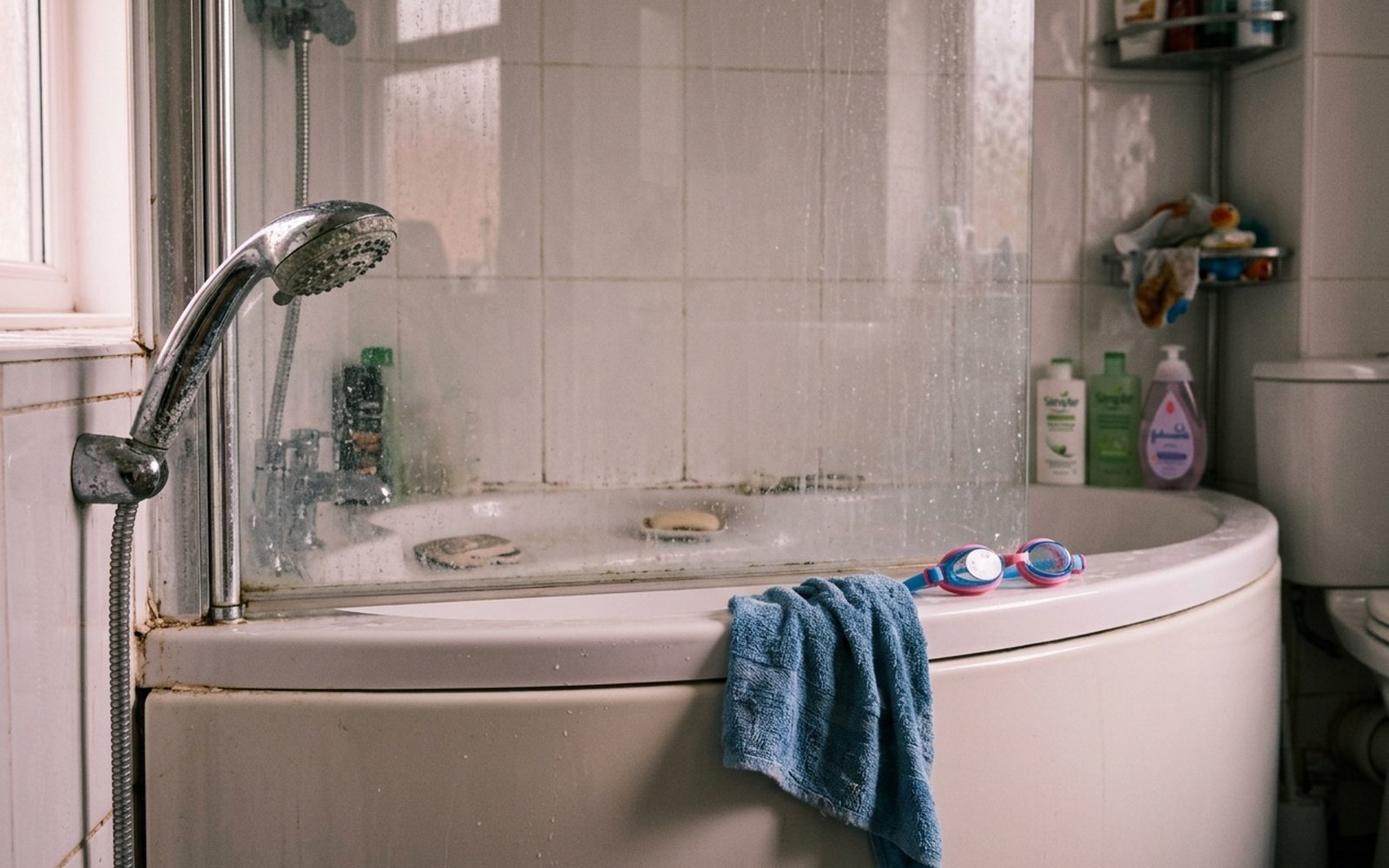
A surprising number of the women who come to see me about “my hair has changed” can date the change to a house move. The follicle did not notice the move. The water did.
What hard water does to a hair fibre
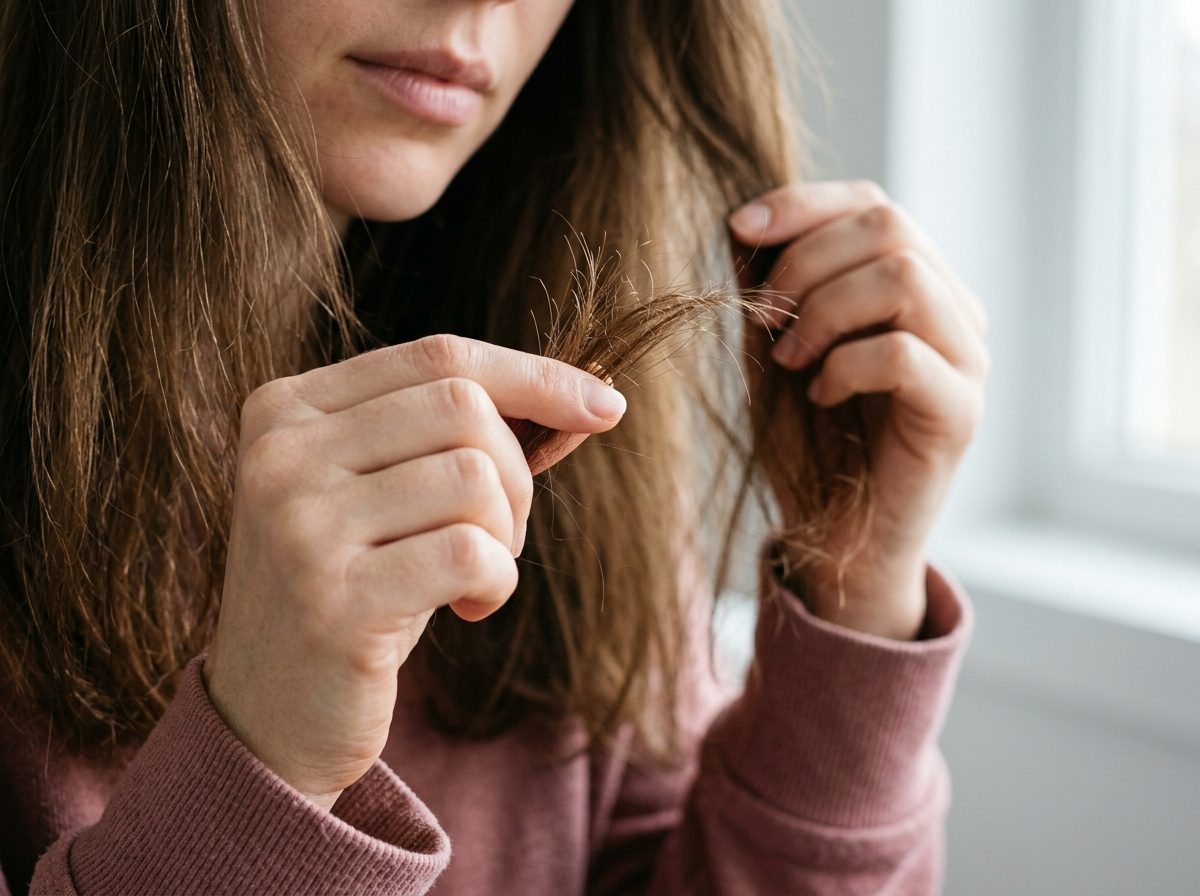
Hard water carries dissolved calcium and magnesium. Every time you rinse, a small amount of both is left behind on the cuticle — the overlapping scales on the outside of each hair. Over weeks, that mineral film builds up. It makes the hair feel rough and dry, stops it reflecting light (so it looks dull), stops conditioner absorbing (so conditioner seems to stop working), and stiffens the fibre so it tangles more and snaps more easily when you brush it. On fine hair it also weighs the hair down and makes it look flatter than it is.
Much of London, the South East, the East of England and the Midlands sits on chalk or limestone and has very hard water. The North West, the South West and most of Scotland are soft. If you moved from one to the other, the change you noticed was real.
Chlorine is a different problem
Pool chlorine strips the natural oil from the fibre and, with repeated exposure, oxidises the protein. Hair that goes into a pool dry soaks up chlorinated water like a sponge. If you are in the water with a toddler every Saturday, or you swim yourself, the lengths will get progressively drier and more brittle unless you do two very simple things.
Not sure which one is you?
Take the two-minute hair quiz
Twelve quick questions. We tell you what we think is going on, what to do about it, and we say so if it is something we cannot help with.
Start the quiz →Wet the hair with clean water first. Hair that is already saturated with tap water absorbs far less pool water. Rinse under the poolside shower before you get in.
Rinse immediately afterwards. Not when you get home; before you leave the changing rooms. Chlorine keeps working while it dries on the hair. A leave-in conditioner through the lengths beforehand helps too, and a swimming cap helps most of all, but the rinse-before-and-after habit does most of the work on its own.
How to tell whether it is the water or the follicle
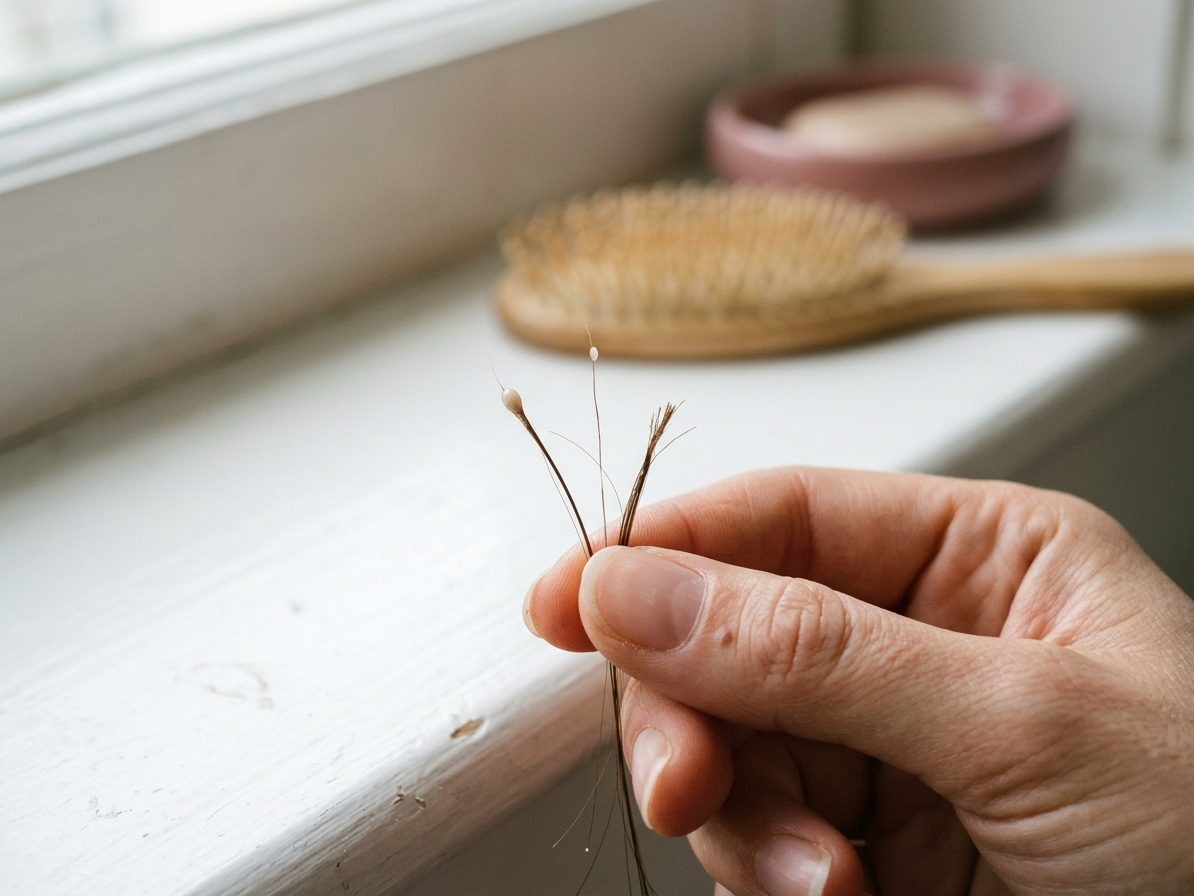
Hard-water damage lives on the lengths. The roots — the first inch of new hair — are usually fine, and if you look closely the hair is not thinner, it is rougher. There is no change in the ponytail circumference, no widening parting, no extra hair in the brush beyond what breakage produces. If the change is in the number of hairs or the width of the parting, it is not the water.
The two often overlap. A follicle that is miniaturising produces a finer, weaker fibre, and a finer fibre is more easily damaged by minerals and chlorine. If you have both, sorting the water makes the hair feel dramatically better but does not change the direction of travel underneath. The texture article explains that distinction.
What actually helps with hard water
A chelating shampoo once every one to two weeks. These contain ingredients — EDTA, sodium phytate, citric acid — that bind the minerals and lift them off the hair. They are widely available and inexpensive. Use one, then a good conditioner, and you will notice the difference in the very first wash: hair that feels like hair again. Do not use it every wash; it is a reset, not a routine.
A shower filter. The inline filters that screw between the wall and the hose remove chlorine well and reduce (but do not eliminate) hardness. They cost about the same as a tank of petrol and last a few months. Worth it for the chlorine alone if you are on treated mains water.
A cool final rinse. Helps flatten the cuticle over whatever minerals are left, so the hair reflects more light. Free.
An apple cider vinegar rinse works on the same principle as the chelating shampoo, more gently and with more smell. One tablespoon in a pint of water, poured over the hair after conditioner and left in. It does a reasonable job for the cost.
The order to do things in
Water is a cheap thing to fix, so fix it first. If your hair feels transformed within two or three washes, you have your answer. If it feels better but the parting still looks the same in the kitchen light and the bobble still goes round the extra time, the water was contributing but not causing, and the follicle needs looking at separately.
Ready to read your own pattern?
Take the two-minute hair quiz
Twelve questions. We tell you what we think is going on for you, and we say so if it is something a GP should see first.
Start the quiz →