Habits
Summer, sun cream and the holiday hair problem

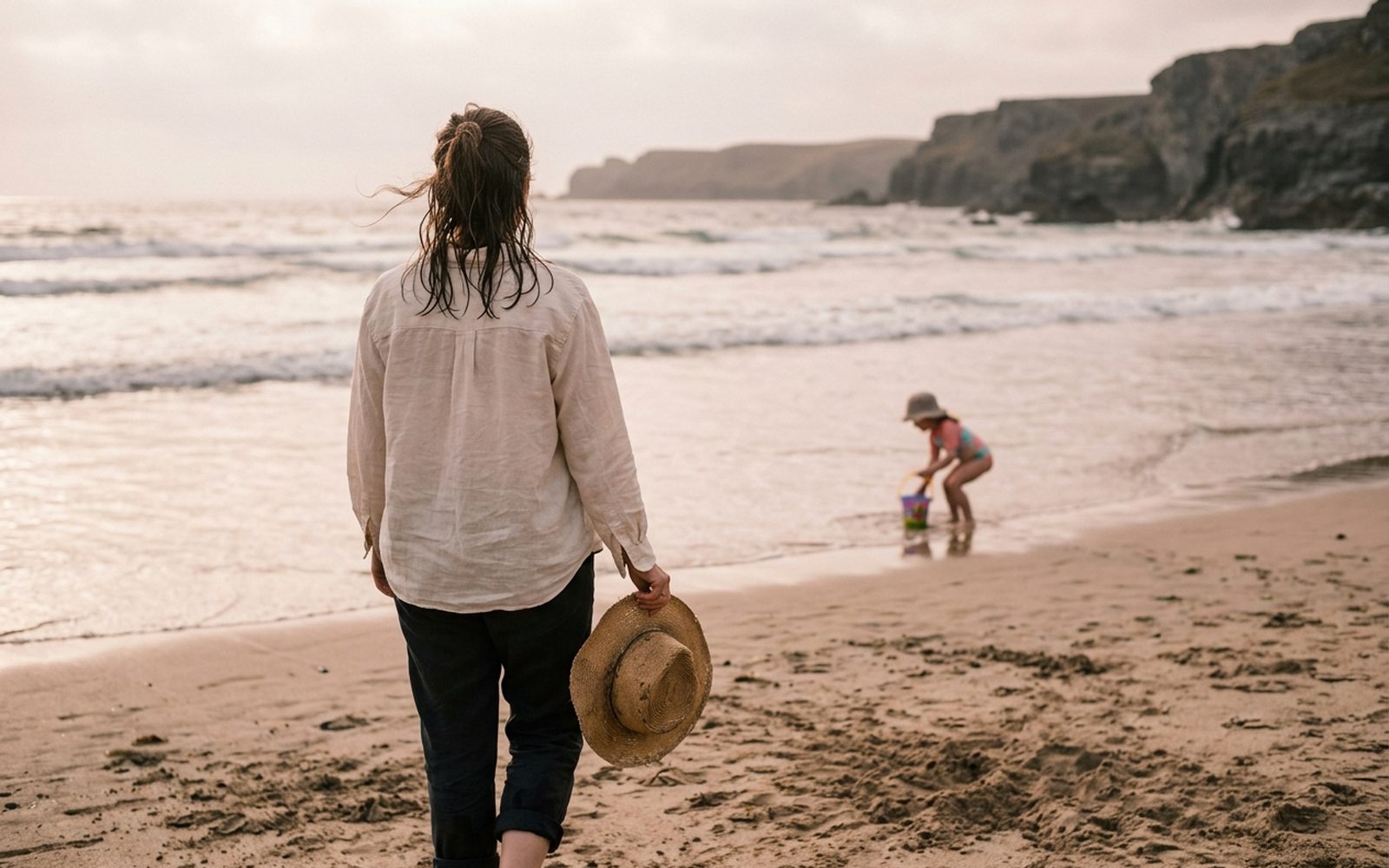
The first summer with a visibly wider parting brings a new problem: it burns. And the fortnight in Cornwall that used to leave your hair sun-streaked and lovely now leaves it dry, snapping and, six weeks later, shedding. Here is why, and the short list of what helps.
What sun does to the fibre
Ultraviolet light breaks down the protein and pigment in hair. On thick, dark, healthy hair the damage is superficial and shows as a lighter colour. On fine, thinning or coloured hair it goes deeper: the cuticle roughens, the fibre loses moisture, and the hair becomes brittle and snaps. Two weeks of daily sun, sea and wind can visibly reduce the volume of fine hair through breakage alone. Salt water crystallises in the hair as it dries and draws water out; chlorine strips oil. Both make the sun’s job easier.
What sun does to the scalp
The scalp along a wide parting or at thinning corners is skin, and it burns like skin. A burnt scalp peels, itches and is inflamed for a fortnight, and inflamed skin around a follicle slows its cycle. Repeated burning over years also raises the risk of skin cancers on the scalp, which are already under-detected because nobody looks there. The parting is the single most sun-exposed, least protected strip of skin on a thinning woman’s body.
The September shed
Many women notice more hair in the brush in September and October. Two things contribute. Seasonal shedding is real: humans, like many mammals, shed slightly more in autumn, because more follicles enter rest in summer and release two to three months later. And the sun, salt and heat of a holiday push a few more into rest than usual. It is normal, it settles by November, and it should not be mistaken for the start of something.
Not sure which one is you?
Take the two-minute hair quiz
Twelve quick questions. We tell you what we think is going on, what to do about it, and we say so if it is something we cannot help with.
Start the quiz →What actually helps
Sun cream on the parting and hairline. A stick or a clear spray is easiest; a scalp-specific SPF exists but any high-factor cream works. Reapply after swimming. It matters more than anything else on this list.
A hat, in the sun-hours. A cap covers the parting and crown; a wide brim covers the corners too. A loose, breathable one, because a tight hat on a hot scalp is its own problem.
Wet before, rinse after. Wet the hair with tap water before the sea or pool so it absorbs less salt or chlorine, and rinse it with fresh water as soon as you are out. More here.
Leave-in conditioner or a light oil with UV filter through the lengths every morning of the holiday. It sits on the cuticle and takes the hit instead of the hair.
A loose plait. Wind tangles fine hair, and tangled hair breaks when brushed. A plait for the beach and the boat keeps it contained without tension.
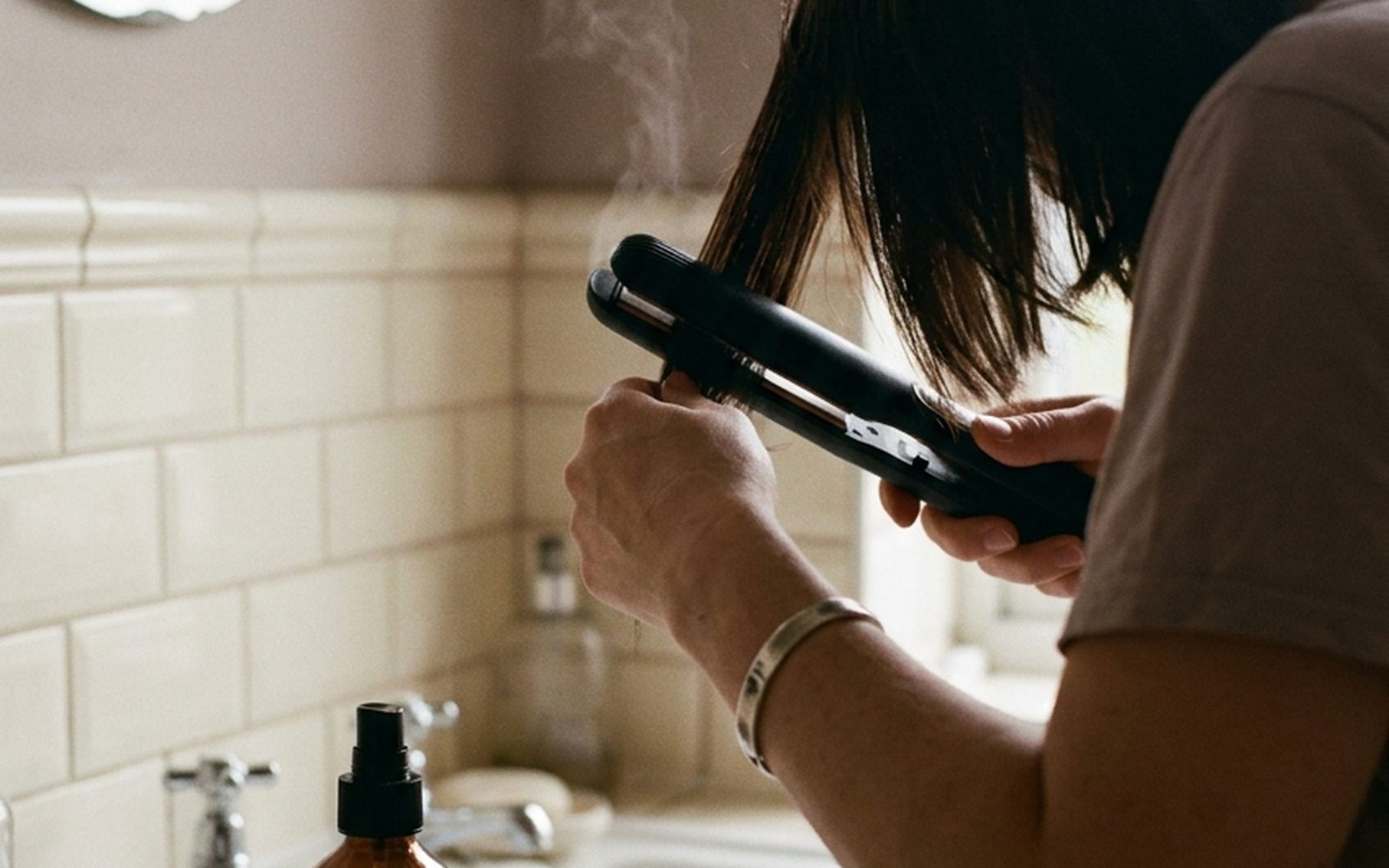
No heat for the fortnight. The one holiday where air-drying is easy.
A chelating shampoo and a deep-conditioning mask when you get home to lift salt, chlorine and sun cream out and put moisture back.
The upside
Holidays do the follicle a great deal of good. Sleep, sunlight in the morning, vitamin D, lower cortisol, moving about: two weeks of that shows in the hair three months later, and the September shed is small next to it. Protect the fibre and the scalp, and let the rest of you have the holiday.
Ready to read your own pattern?
Take the two-minute hair quiz
Twelve questions. We tell you what we think is going on for you, and we say so if it is something a GP should see first.
Start the quiz →